Understanding Arthritis: Causes, Symptoms, Home Physiotherapy, and Beyon
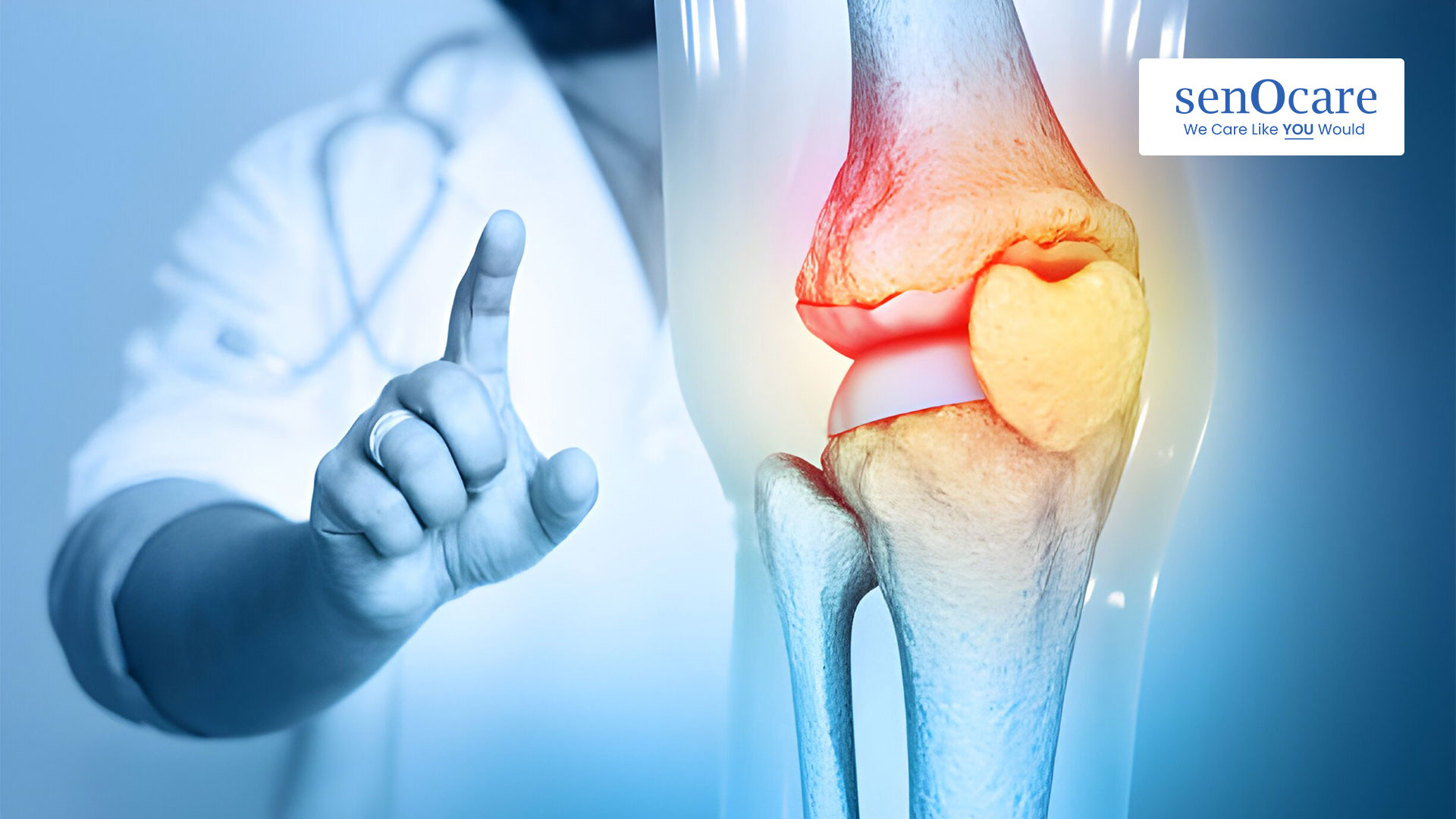
Arthritis affects millions of people throughout the world. It is characterized by joint inflammation, which causes pain, stiffness, and swelling. There are other forms of arthritis, but the most common are osteoarthritis and rheumatoid arthritis.
Content is medically reviewed by:
Causes of Arthritis
The causes of arthritis can vary depending on the type. Here’s a breakdown of the two most common types:
Osteoarthritis:
This is the most common form of arthritis, caused by wear and tear on the joints over time. The cartilage, which cushions the bones at the joint, breaks down, causing the bones to rub together. This can be caused by overuse, obesity, or injury.
Rheumatoid Arthritis:
This is an autoimmune disease, which means the body’s immune system attacks healthy tissues. In rheumatoid arthritis, the immune system attacks the lining of the joints, causing inflammation and pain.
Symptoms of Arthritis
The symptoms of arthritis can also vary depending on the type and severity of the condition. However, some common symptoms include:(1)
- Joint pain
- Stiffness, especially in the morning
- Swelling
- Redness
- Decreased range of motion
- Weakness
Home Physiotherapy for Arthritis
Physiotherapy can be a very effective way to manage arthritis pain and improve joint function. There are a number of exercises that can be done at home to help relieve symptoms. Here are a few examples:
Range-of-motion exercises:
These exercises help to keep the joints moving and flexible.
Strengthening exercises:
These exercises help to build muscle strength around the joints, which can help to support and protect them.
Aerobic exercise:
Low impact aerobic exercise, such as walking or swimming, can help to improve overall fitness and reduce pain.
Improved balance and coordination:
These exercises can help to strengthen the muscles around joints, improve range of motion, and increase proprioception( body’s awareness of its position in space). This can all lead to better balance and a reduced risk of falls.
Heat and Ice Therapy:
It can help to relieve pain and inflammation.
Arthritis Treatment
Medication For Arthritis
Osteoarthritis can’t be reversed, but treatments can reduce pain and help you move better.
Medications
Medications that can help relieve osteoarthritis symptoms, primarily pain, include:
Acetaminophen
Acetaminophen (Tylenol, others) has been shown to help some people with osteoarthritis who have mild to moderate pain.
Nonsteroidal anti-inflammatory drugs (NSAIDs)
Over-the-counter nonsteroidal anti-inflammatory drugs (NSAIDs), such as ibuprofen (Advil, Motrin IB, others) and naproxen sodium (Aleve), taken at the recommended doses, typically relieve osteoarthritis pain.(2)
Surgery For arthritis
There are several different types of surgeries you could have depending on where your injury is and how much pain you are experiencing.(3)
Arthroscopy
Total joint replacement (arthroplasty)
Complications of arthritis can vary depending on the type of arthritis you have and the severity of your condition. However, some of the most common complications of arthritis include:
Joint pain and stiffness
This is the most common symptom of arthritis and can make it difficult to move around and perform daily activities.
Loss of mobility
As arthritis progresses, you may find it increasingly difficult to move your joints. This can make it difficult to get around, dress yourself, and bathe.
Muscle weakness
Arthritis can cause weakness in the muscles around the affected joints. This can make it difficult to perform activities that require strength, such as lifting objects or climbing stairs.
Fractures
People with arthritis are more likely to fracture bones near the affected joints. This is because the bones are weakened by the inflammation and degeneration of the cartilage.
Fatigue
Arthritis can cause fatigue, which can make it difficult to do your daily activities.
Depression and anxiety
The chronic pain and disability caused by arthritis can lead to depression and anxiety.
Prevention from Knee Pain(4)
- Stretching is good for knees
- Loosing weight improves knee pain
- Wearing Proper shoes is important for healthy knees.
- Posture correction
Senocare Can Help With Arthritis?
Daily Tasks and Maintaining Independence: Senocare attendants can assist with everyday activities that may be difficult due to arthritis, like dressing, bathing. This helps elders maintain their independence and stay in their own homes for longer.
Medication Management:
Caregivers can remind seniors to take their medications on time, which is crucial for managing arthritis symptoms.
Exercise and Physical Therapy:
Physiotherapist can help design safe and effective exercise programs suitable for elders with arthritis. This can improve mobility, flexibility, and reduce pain.
Socialization and Mental Well-being:
Arthritis can sometimes lead to isolation. We can provide social interaction and emotional support, reducing feelings of loneliness and depression.