
Fall Prevention Exercises for Seniors: Safe Daily Moves
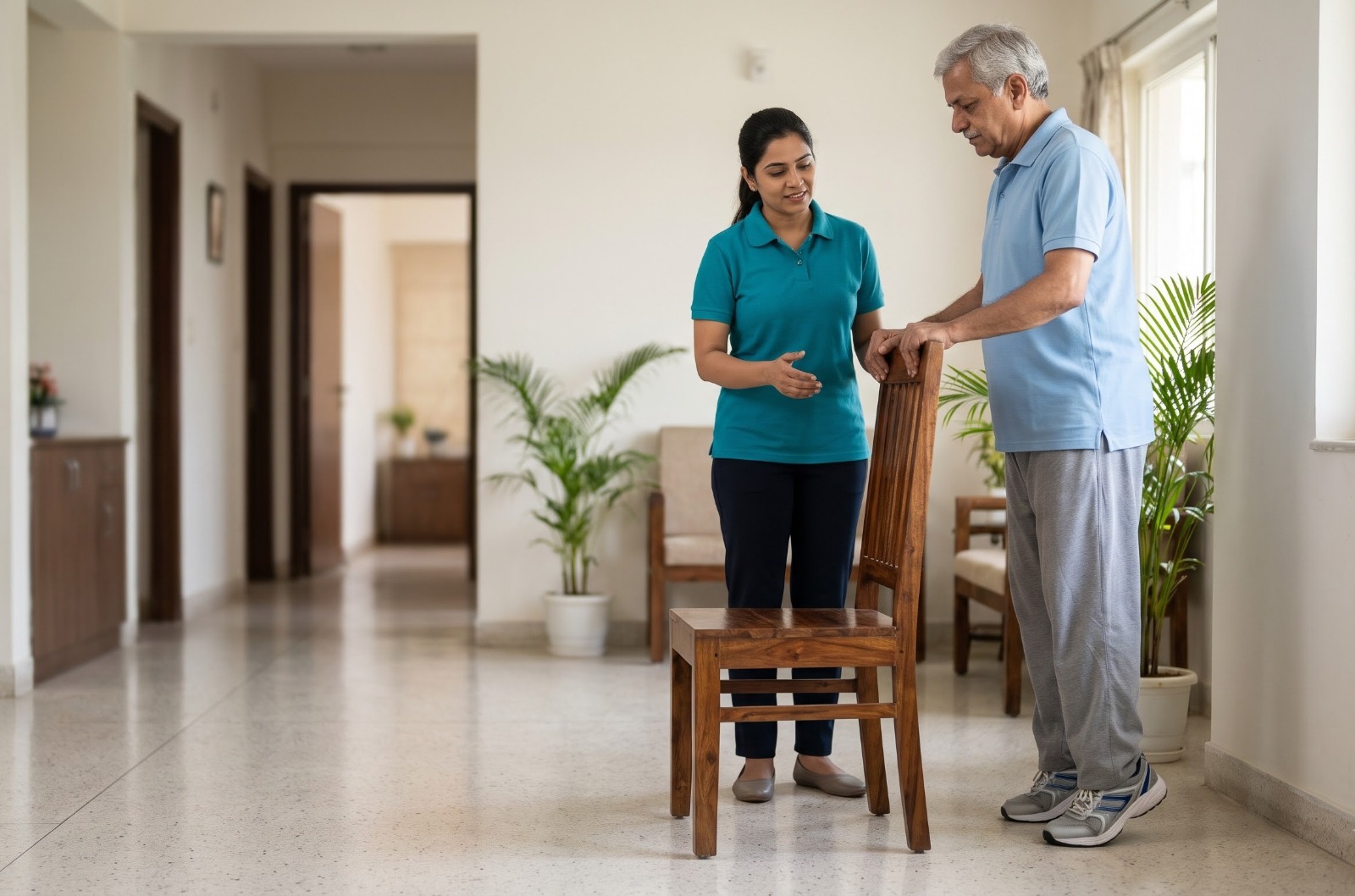
Falls are common in older people, and many can be prevented. Stronger legs and better balance are two of the most practical ways to lower the risk. This guide sets out fall prevention exercises for seniors, based on an NHS hospital trust programme, plus the home changes and next steps recommended by the NHS. It is for people who can stand and walk with or without support. If you have had a recent fall, dizziness or a medical condition, speak to your doctor first.
Why Falls Happen
The NHS lists weakening muscles, conditions such as arthritis, stroke or Parkinson's disease, low blood pressure, side effects of some medicines, eyesight or hearing problems and dementia. Exercise cannot change all of these, but it can address muscle weakness and balance.
Safety Rules Before You Start
These rules come from a strength and balance leaflet from Worcestershire Acute Hospitals NHS Trust:
- Hold a stable surface such as a kitchen worktop or solid table. Never hold something that could move, such as a chair.
- Take three deep breaths between sets and keep your posture upright.
- Some stiffness early on is normal and should ease as you continue.
- Contact a doctor if you have dizziness, chest pain, or breathlessness severe enough that you cannot speak.
- Tell your doctor about any fall.
The leaflet leaves the number of repetitions and hold times for the therapist to fill in, so ask a physiotherapist how many to do.
Eight Exercises to Build Strength and Balance
| Exercise | How to do it |
|---|---|
| Sit to stand | Sit on a dining chair and shuffle forward. Place your feet flat and back. Lean over your knees, push off with both hands to stand, then sit back down |
| Ankle movements | Sit upright with back supported. Point your foot down, then pull it back toward you |
| Front thigh strengthening | Sit with back supported. Straighten one leg, hold, then lower it |
| Calf raises | Stand facing a solid surface, feet shoulder width apart. Rise onto your toes, then lower your heels |
| Toe raises | Stand beside a solid surface. Rock back onto your heels, lifting the front of your feet, then lower them |
| Sideways walking | Hold a solid surface or rest your hands on your hips. Take 10 steps to the right, then 10 to the left |
| Heel to toe standing | Holding a surface, place one foot directly in front of the other in a straight line and hold for 10 seconds, then switch |
| One leg stand | Holding a surface, stand on one leg for 10 seconds, then switch |
The first three are done seated, which suits people who are unsteady. The leaflet lists 16 exercises in total, and your therapist chooses the ones that suit you.
How Often Should You Do Them?
The NHS says to stay active every day and do strength and balance activities at least twice a week. The leaflet says the prescribed exercises should be done at least three times a week and can be split across the day. The two do not conflict. Twice a week is the NHS minimum for the population, while three times is for the specific programme.
Make the Home Safer
The NHS suggests:
- Remove clutter and trip hazards such as loose wires and loose rugs
- Use a non-slip mat in the bath or shower
- Consider safety rails on steps and grab rails in the bathroom
- Consider a walking aid
- Wear well-fitting shoes or slippers with a good grip
- Carry a personal alarm or a mobile phone
It also recommends eating well and drinking enough fluids, because not doing so can cause dizziness, and asking a doctor or pharmacist whether medicines could affect balance.
What to Do After a Fall
The NHS advises:
- Stay calm and check for pain or injury before moving.
- If you can get up, move slowly: roll onto your side, push up onto your hands and knees, hold something stable and stand up slowly, then rest.
- If you cannot get up, call for help with a phone or alarm, or shout or bang on a wall or floor.
- While waiting, stay warm, keep gently moving and change position about every 30 minutes to help prevent pressure sores.
The NHS says to call its emergency number if someone may have injured their head, back, neck or hip or cannot get up. In India, use your local emergency number.
Getting a Physiotherapist Involved
A physiotherapist can assess your balance, choose exercises and watch your technique. See Senocare's physiotherapy at home page to learn how home visits work in Delhi NCR. This article is general education and not a substitute for advice from a doctor or physiotherapist.
Book a Physiotherapist at Home →Frequently Asked Questions
Some of them. Sit to stand, ankle movements, and front thigh strengthening are done seated. The rest involve standing and holding a stable surface.
Yes. The NHS says to see a doctor if you have had a fall or are worried about your balance or mobility, and the leaflet says to tell your doctor about any fall. A doctor may refer you to a specialist falls service.
The NHS suggests well-fitting shoes or slippers with a good grip.