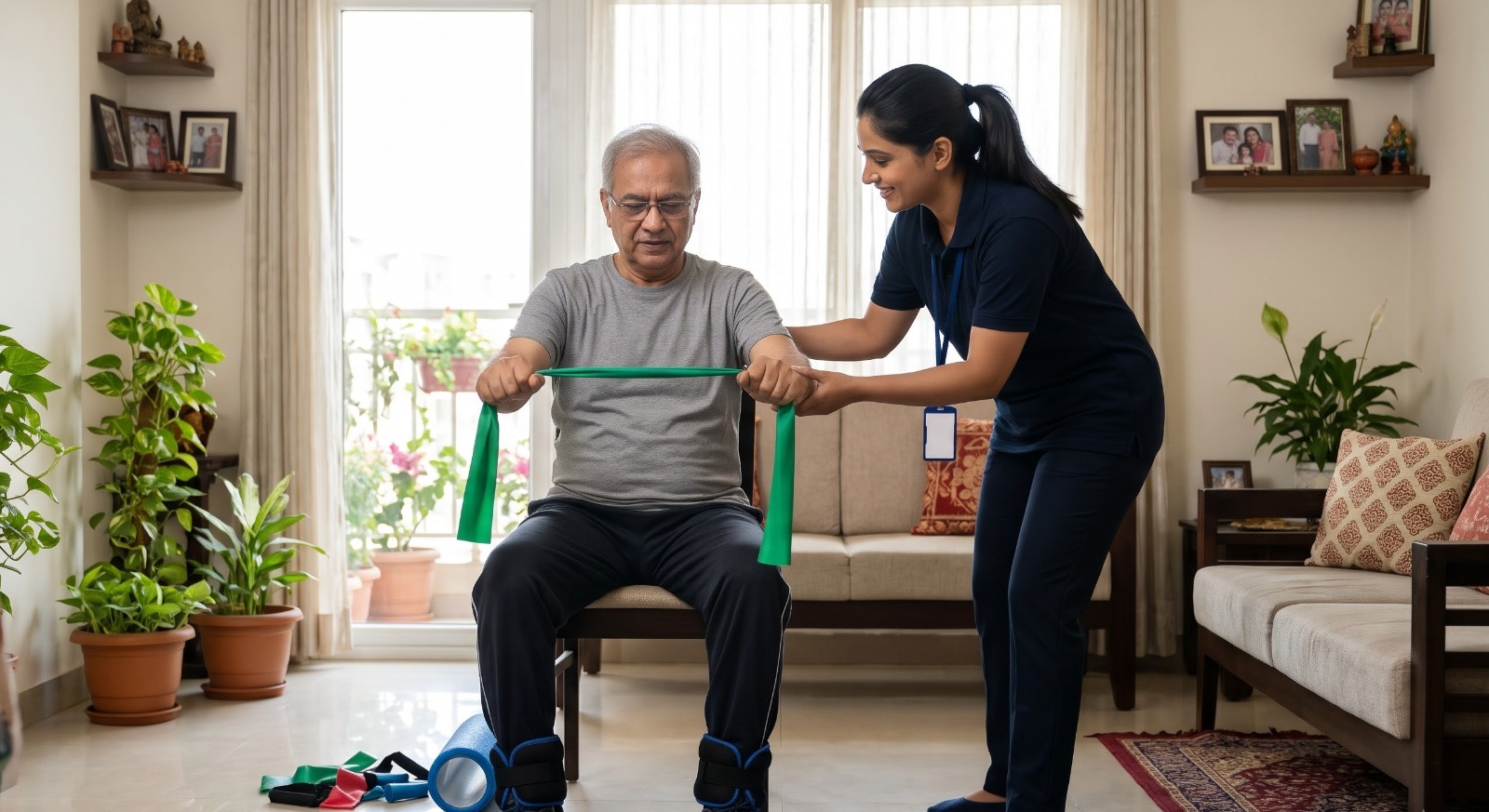
Winter Joint Pain: Why It Flares Up and What Might Help
Many people say their knees, hands and back ache more when the weather turns cold. If that sounds familiar, you are not imagining the feeling, even though scientists are still working out the cause. This guide on winter joint pain looks at what is known, what is uncertain, and what may help. It is general information, not a diagnosis.
Does cold weather really make joints worse?
The evidence is mixed. Patient.info says there is so far no scientific evidence that cold weather makes joint pain worse, though people may feel more pain. It says weather does not change how severe arthritis is, only how much pain a person feels. Proposed explanations include:
- Cold leads to less activity, which causes stiffness and then pain.
- Changes in air pressure may affect nerves.
- Cold may make pain receptors more sensitive.
Patient.info also cites a Manchester University study in which people with arthritis were 20% more likely to have pain on humid, windy days. It suggests low daylight in winter and its effect on mood and the nervous system may matter more than the cold acting directly on joints.
Cedars-Sinai takes a similar line. It says cold weather does not cause arthritis but can worsen aches and pains, and notes that cold can heighten pain sensitivity, slow circulation and trigger muscle spasms, according to the Arthritis Foundation.
In short, winter pain is real to the person feeling it. The exact reason may be a mix of factors.
What may help
| Idea | What the sources say |
|---|---|
| Stay warm | Cedars-Sinai suggests layers, a heating pad or electric blanket, and a hot bath to loosen stiff joints. Patient.info suggests thermals, thicker socks, hot-water bottles and warm baths. |
| Keep moving | Cedars-Sinai suggests 150 minutes of moderate activity weekly plus two strength sessions, starting slowly. Patient.info cites the NHS guideline of 30 minutes on five days a week, and says it can be split into 5 to 10 minute sessions if that is too painful. |
| Warm up first | Cedars-Sinai suggests simple stretches such as rolling wrists and ankles, knee bends and finger stretches before outdoor activity. |
| Low-impact options | Patient.info suggests indoor yoga, t'ai chi, Pilates or stretching, and pool-based exercise if pain is severe. |
| Check vitamin D | Cedars-Sinai says deficiency is linked to increased arthritis pain, and suggests asking your doctor to test your levels. |
| Healthy weight | Both sources link a healthy weight to less pressure on weight-bearing joints and less pain. |
| Prevent falls | Cedars-Sinai suggests walking slowly, wearing proper footwear and using non-skid slippers on slick surfaces. |
Patient.info also says mild painkillers such as paracetamol or ibuprofen may be considered, and to speak to a pharmacist before using them for a long time. Check with your doctor first if you have other conditions or take other medicines.
Winter in Delhi NCR
Winter mornings in north India can be cold, and many people stay indoors and sit for longer. Less movement is one of the explanations above, so a simple routine can matter. Some ideas, which are practical suggestions rather than cited facts:
- Do a few minutes of gentle joint movement before you leave your bed or quilt.
- Warm the room before getting out for morning exercise.
- Break sitting time with short walks around the house.
- Wear layers that you can add or remove easily.
If you have rheumatoid arthritis, see our page on physiotherapy for rheumatoid arthritis. For general arthritis information see the arthritis page. Families in the capital can also read about physiotherapy at home in Delhi, with sessions from ₹900 onwards, and final pricing depending on the condition, duration and therapist experience.
When to see a doctor
Patient.info advises seeing a GP or pharmacist if pain gets worse and lasts longer than two weeks. Also seek medical advice if a joint becomes hot, red and swollen, if you cannot move it, if pain follows a fall, or if you develop fever with joint pain. These last points are general precautions rather than from the sources above. Patient.info also suggests seeing a physiotherapist for restricted movement or muscle weakness.
Limits of this article
Both sources are from the UK and US. They do not describe Delhi NCR winters, and we have not quoted local temperature figures. The advice on heating a home to a set temperature in Patient.info is UK specific, so it is not included.
Book a Physiotherapist at Home →FAQs
No. Patient.info says the cause is unclear, and weather does not change how severe arthritis is, only how much pain a person feels.
Cedars-Sinai says deficiency is linked to increased arthritis pain. Ask your doctor about testing before taking supplements.
Both sources mention warm baths or showers as a way to ease stiffness. Take care on wet floors.
Patient.info says staying active helps, and that less activity can lead to stiffness. Start slowly and ask your doctor or physiotherapist what is safe for you.