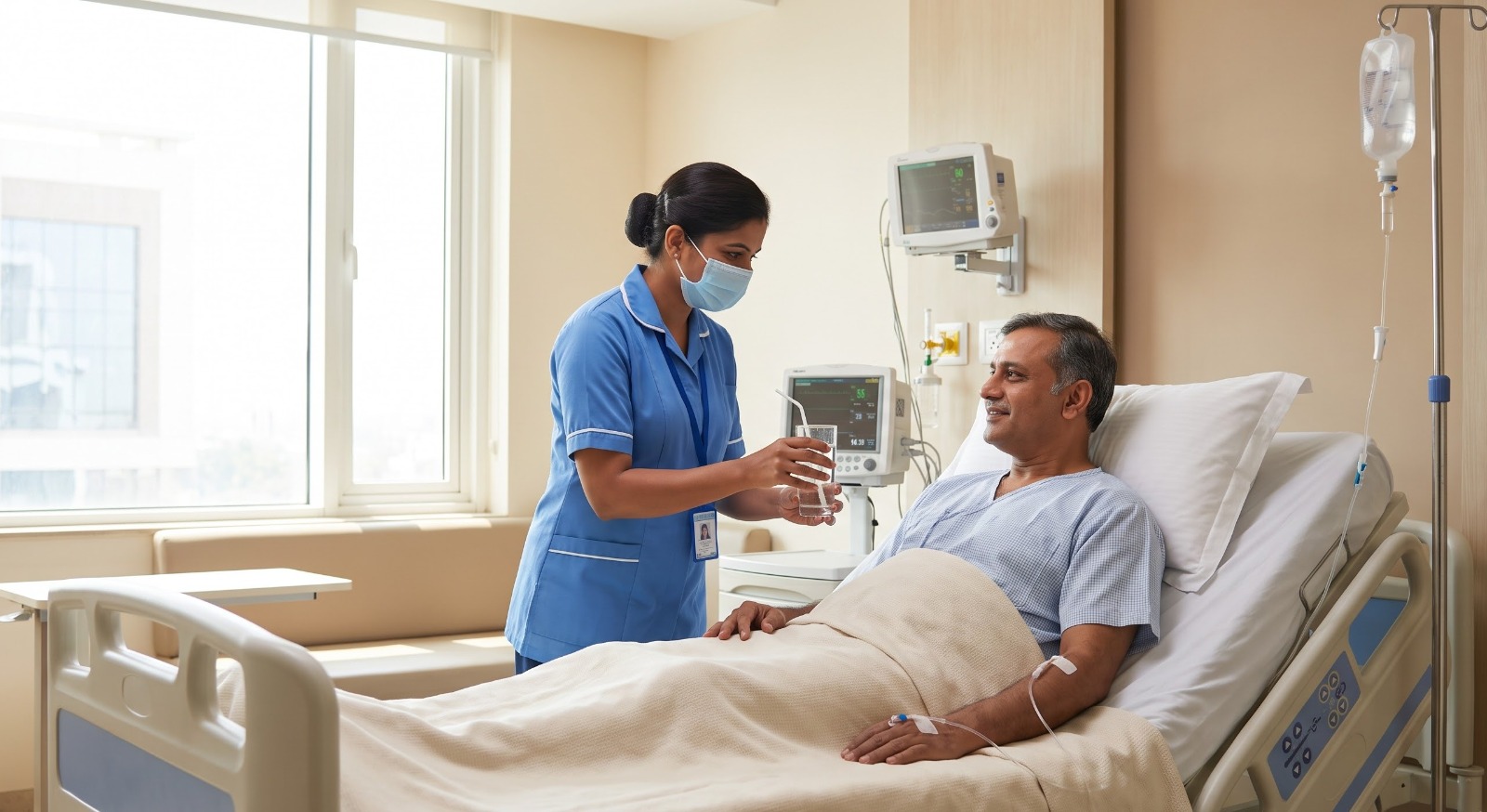
Nursing Care Plan for Malaria: Nursing Diagnosis, Interventions & Management
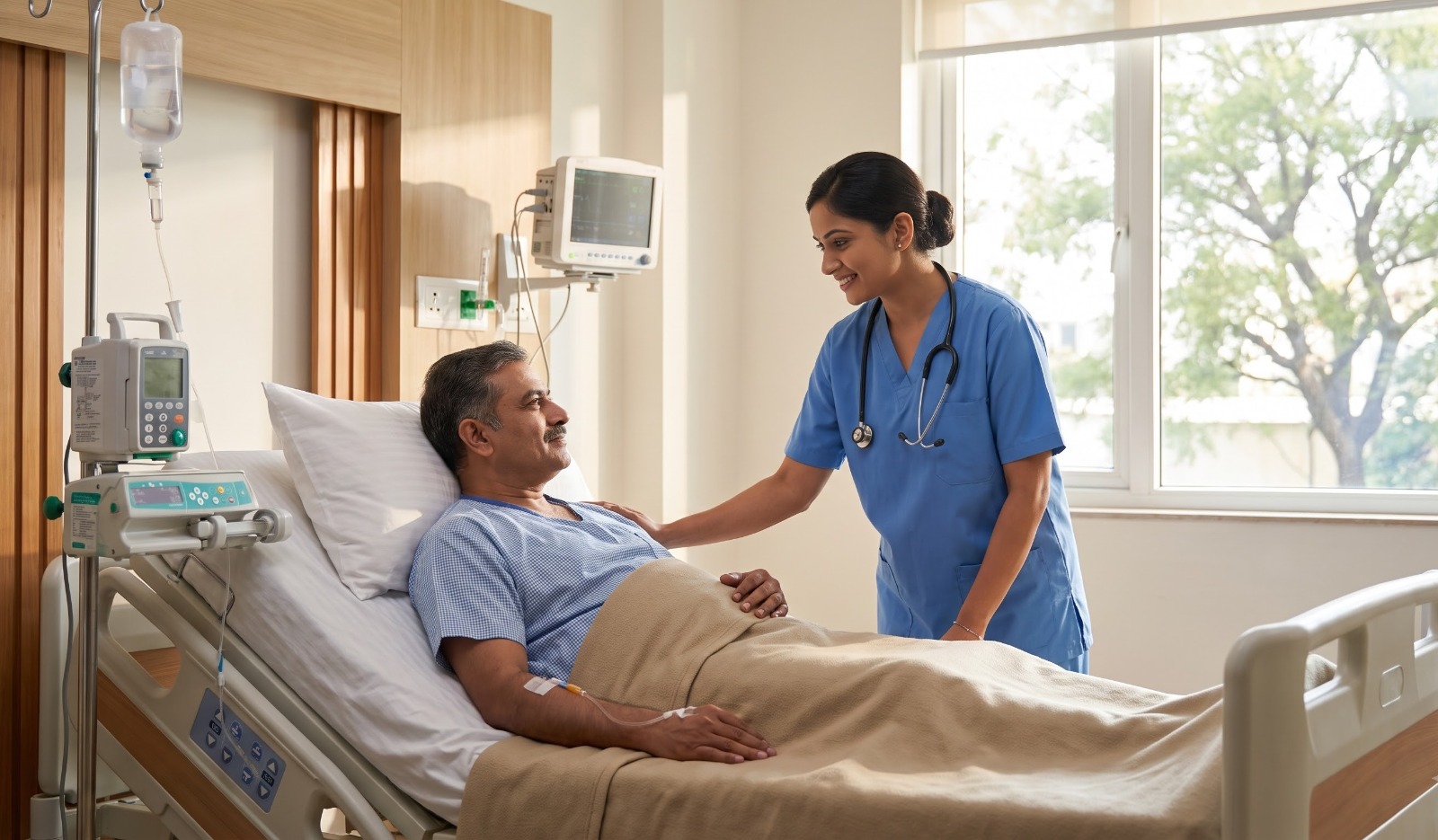
Malaria is not just a tropical illness that shows up in travel brochures with a warning label. It is a real, fast-moving infection that can turn a mild fever into a medical emergency within a day. For nurses, caregivers, and families managing a malaria diagnosis at home or in a hospital ward, having a clear nursing care plan for malaria makes the difference between a controlled recovery and a missed complication.
This guide walks through what malaria actually does to the body, how nurses assess and monitor a patient, and what a structured nursing care plan for malaria looks like in practice, including fever management, hydration, medication support, and recognizing when a case is turning severe.
What Is Malaria?
Malaria is a life-threatening disease caused by Plasmodium parasites and spread to humans through the bite of infected female Anopheles mosquitoes. The World Health Organization describes it plainly: malaria is “a life-threatening disease spread to humans by some types of mosquitoes” (WHO, Malaria fact sheet).
Five Plasmodium species are known to infect humans, but two carry the greatest clinical weight:
| Species | Notes |
|---|---|
| P. falciparum | The deadliest species and most prevalent in Africa (WHO) |
| P. vivax | Widely distributed; can cause relapses months later |
| P. malariae | Generally milder, longer incubation |
| P. ovale | Less common, can relapse like vivax |
| P. knowlesi | A zoonotic species found mainly in Southeast Asia |
Malaria can also spread through contaminated blood transfusions or needles, though mosquito bites remain the primary route of transmission (WHO).
P. falciparum deserves particular attention in any nursing assessment because it progresses fast. Left untreated, it “can progress to severe illness and death within 24 hours” (WHO). This is precisely why nursing vigilance around temperature, hydration, vital signs, and early complication signs matters so much. WHO is direct about the payoff of catching it early: early diagnosis and treatment of malaria reduces disease, prevents deaths, and contributes to reducing transmission (WHO).
Signs and Symptoms of Malaria
Malaria symptoms often begin like a bad flu, which is part of why early recognition is so important.
Common early symptoms include:
- Fever
- Chills
- Sweating
- Headache
- Weakness and fatigue
- Muscle or body aches
- Nausea or vomiting
- Abdominal discomfort
Clinical documentation from the CDC lists a similar early picture: “Fever, Chills, Sweats, Headaches, Nausea and vomiting, Body aches, General malaise,” along with exam findings such as elevated temperature, sweating, weakness, an enlarged spleen, mild jaundice, an enlarged liver, and a faster respiratory rate (CDC, Clinical Features of Malaria).
Signs Requiring Urgent Medical Attention
Some symptoms signal that malaria has moved from uncomplicated to severe. The CDC defines severe malaria as the presence of one or more of the following features:
- Impaired consciousness
- Seizures
- Circulatory collapse or shock
- Pulmonary edema or acute respiratory distress syndrome (ARDS)
- Acute kidney injury
- Severe anemia (hemoglobin below 7 g/dL)
- Jaundice accompanied by at least one other severe sign
- Abnormal bleeding or disseminated intravascular coagulation
(Source: CDC, Clinical Features of Malaria)
The CDC also notes that progression to severe malaria typically happens “when infections are complicated by serious organ failures or abnormalities in the patient's blood or metabolism, usually following delays in diagnosis and treatment” (CDC). This is the clinical backbone for why nursing monitoring cannot be casual or infrequent.
Nursing Assessment for Malaria
A strong assessment is the foundation of any nursing care plan for malaria. It shapes every diagnosis and intervention that follows.
Patient History
Nurses should gather:
- Fever pattern (continuous, intermittent, or cyclical)
- Travel to or residence in a malaria-endemic area
- Any previous malaria episodes
- Current medications, including any antimalarial prophylaxis
- Existing comorbidities
- Pregnancy status, where relevant
- Recent fluid and nutritional intake
Physical Assessment
Key parameters to check and document:
- Temperature
- Pulse
- Respiratory rate
- Blood pressure
- Oxygen saturation
- Level of consciousness
- Hydration status
- Skin and mucous membrane condition
- Urine output
Diagnostic Investigations
Nurses support and prepare patients for:
- Peripheral blood smear
- Rapid diagnostic tests (RDTs)
- Complete blood count and hemoglobin level
- Platelet count
- Blood glucose testing where clinically indicated
- Renal and liver function tests based on clinical status
Diagnostic confirmation is not optional. WHO recommends that “prompt malaria diagnosis either by microscopy or rapid diagnostic tests (RDTs)… for all suspected malaria patients before they are given treatment” (WHO Global Malaria Programme). This parasite-based confirmation guides accurate treatment and avoids unnecessary antimalarial use in patients whose fever has another cause.
Nursing Care Plan for Malaria
A nursing care plan for malaria is individualized according to the patient's symptoms, clinical severity, laboratory findings, age, comorbidities, and treatment plan. The table below outlines common nursing diagnoses and how they are typically approached. These are examples, not a fixed protocol, and should always be adapted to the patient and local clinical guidelines.
| Nursing Diagnosis | Goal/Expected Outcome | Nursing Interventions | Rationale |
|---|---|---|---|
| Hyperthermia related to infectious process | Temperature returns toward normal range | Monitor temperature regularly, administer prescribed medication, encourage appropriate fluids, provide a comfortable environment | Helps track fever pattern and response to treatment |
| Deficient fluid volume / risk of dehydration | Patient maintains adequate hydration | Monitor intake and output, assess hydration status, provide fluids as prescribed, monitor vomiting or diarrhea | Fever and gastrointestinal symptoms can cause significant fluid loss |
| Acute pain related to febrile illness | Patient reports reduced discomfort | Assess pain levels, administer prescribed analgesics, promote rest and comfort | Supports symptom management and patient comfort |
| Fatigue/activity intolerance | Patient performs appropriate activity without excessive fatigue | Encourage rest, gradually increase activity, monitor for weakness | Malaria can cause pronounced weakness and fatigue |
| Imbalanced nutrition: less than body requirements | Patient maintains adequate nutritional intake | Monitor appetite and intake, offer small appropriate meals, manage nausea as prescribed | Supports recovery and overall nutritional status |
| Risk for complications | No evidence of clinical deterioration | Monitor neurological status, vital signs, urine output, and relevant laboratory results | Early recognition is critical for catching severe malaria before it escalates |
Nursing Interventions for Malaria
Monitoring Vital Signs
Nurses track temperature, pulse, blood pressure, respiratory rate, and oxygen saturation at regular intervals. Frequency increases if the patient shows any signs of instability.
Monitoring Hydration
This includes:
- Oral fluid intake
- IV fluids when prescribed
- Urine output
- Signs of dehydration such as dry mucous membranes or reduced skin turgor
- Overall fluid balance
Fever Management
Fever management here follows the same core approach outlined in Senocare's nursing care plan for fever, adapted for a malaria-related fever:
- Monitor the fever pattern over time
- Maintain a comfortable room temperature
- Encourage appropriate fluid intake when permitted
- Administer prescribed antipyretic or antimalarial medications on schedule
Medication Administration
- Administer antimalarial medicines exactly as prescribed
- Monitor the patient's response to treatment
- Observe for adverse effects
- Reinforce adherence to the complete prescribed regimen
Specific drug dosages are intentionally not covered here, since treatment depends on the parasite species, resistance patterns, illness severity, patient characteristics, and local clinical guidelines. Dosing decisions should always come from the treating physician.
Nutritional Support
- Monitor food intake
- Encourage suitable nutrition as tolerated
- Monitor for nausea or vomiting
- Pay close attention to the nutritional needs of older or otherwise vulnerable patients
Neurological Monitoring
This becomes especially important in suspected severe malaria. Nurses watch for:
- Changes in level of consciousness
- Confusion
- Seizures
- Any unusual behavioral or neurological changes
Urine Output and Renal Monitoring
- Track urine output consistently
- Note any reduction in urine production
- Monitor renal investigations when ordered by the physician
Nursing Management of Severe Malaria
Severe malaria is a medical emergency, and nursing management shifts into a much more intensive mode. Key priorities include:
- Recognizing early signs of clinical deterioration
- Frequent, closely spaced vital-sign monitoring
- Ongoing neurological assessment
- Blood glucose monitoring where clinically indicated
- Careful fluid balance tracking
- Oxygen or respiratory support according to clinical need
- Seizure precautions where appropriate
- Monitoring for acute kidney injury
- Prompt escalation to the medical team
- ICU or high-dependency care when indicated
This level of vigilance directly reflects the CDC's severe malaria criteria discussed earlier, including impaired consciousness, seizures, shock, pulmonary edema or ARDS, acute kidney injury, and severe anemia (CDC). A nurse who notices any of these developing should not wait to escalate.
Patient and Family Education
Education is one of the most underrated parts of a nursing care plan for malaria. Patients and families need to understand:
- Why completing the full prescribed treatment course matters, even after symptoms improve
- The importance of follow-up testing and appointments
- How to recognize warning signs that need urgent attention
- Maintaining adequate hydration and nutrition during recovery
- Staying consistent with medication adherence
- Practical steps for mosquito-bite prevention at home
- When to seek emergency care rather than waiting it out
- Why self-medicating with leftover or unprescribed antimalarials is risky
Patients recovering from malaria, particularly older adults or people who live alone, may need help with medication schedules, vital-sign monitoring, mobility, nutrition, and day-to-day care during recovery. Professional home nursing support can help families manage these needs according to the patient's medical plan, which is where a service like Senocare's home nursing care fits into the recovery picture for elderly patients.
Prevention of Malaria
Prevention remains the most effective defense against malaria, both for individuals and communities. WHO states plainly that “malaria can be prevented by avoiding mosquito bites and by taking medicines” (WHO).
Practical prevention measures include:
- Sleeping under insecticide-treated mosquito nets
- Using mosquito repellents on exposed skin
- Wearing protective clothing during peak mosquito activity hours
- Reducing standing water and other mosquito breeding sites around the home
- Taking appropriate preventive medication for travel to endemic areas, only when advised by a clinician
- Supporting community-level mosquito control measures such as indoor residual spraying
Expected Outcomes of Nursing Care
A well-executed nursing care plan for malaria typically aims for these outcomes:
- Temperature brought under control
- Adequate hydration maintained throughout treatment
- Vital signs remaining stable
- Pain and discomfort reduced
- Adequate nutritional intake sustained
- Full adherence to the prescribed medication regimen
- No evidence of progression to severe complications
- Patient and family able to recognize and respond to warning signs
When to Seek Emergency Medical Care
Because malaria, particularly P. falciparum infection, can worsen quickly, certain symptoms should never be watched and waited on. Seek emergency care immediately if the patient shows:
- Altered consciousness or confusion
- Seizures
- Difficulty breathing
- Severe weakness
- Fainting or signs of shock
- Very low or absent urine output
- Symptoms of severe anemia, such as extreme pallor or breathlessness
- Persistent vomiting or inability to take oral medication
- Any rapid, unexplained decline in condition
Suspected or confirmed malaria cases need timely medical evaluation and treatment, since the window between uncomplicated illness and severe disease can be short (WHO; CDC).
Conclusion
Managing malaria well comes down to a few consistent nursing priorities: thorough assessment, disciplined fever and hydration management, strict medication adherence, close monitoring for complications, and clear patient education. Because malaria, especially P. falciparum, can progress from mild to severe within a day, timely escalation when warning signs appear is not optional, it is central to the care plan itself.
If an older adult needs professional nursing or home-care support during recovery, families can explore Senocare's home nursing and elder-care services, which include medically trained nurses and monitoring such as vital sign checks.
Related Reading
Frequently Asked Questions
It is a structured, individualized plan that outlines nursing diagnoses, goals, interventions, and expected outcomes for a patient diagnosed with malaria, covering fever, hydration, pain, nutrition, and complication risk.
Common examples include hyperthermia, deficient fluid volume, acute pain, fatigue or activity intolerance, imbalanced nutrition, and risk for complications, though the exact diagnoses depend on the individual patient.
Interventions include monitoring vital signs, managing fever, supporting hydration, administering prescribed medication, providing nutritional support, and watching closely for neurological or renal changes.
By tracking the fever pattern, maintaining a comfortable environment, encouraging appropriate fluid intake, and administering prescribed medications as ordered.
Temperature, pulse, blood pressure, respiratory rate, oxygen saturation, hydration status, level of consciousness, and urine output are all core monitoring parameters.
Severe malaria can involve impaired consciousness, seizures, shock, pulmonary edema or ARDS, acute kidney injury, severe anemia, and jaundice with other severe features (CDC).
Confusion, seizures, breathing difficulty, very low urine output, signs of shock, and severe anemia are all red flags requiring urgent medical evaluation.
Education should cover medication adherence, hydration and nutrition, recognizing warning signs, mosquito-bite prevention, and avoiding self-medication.
Through insecticide-treated bed nets, repellents, protective clothing, reducing mosquito breeding sites, and preventive medication for travelers when clinically advised (WHO).
When any signs of severe malaria appear, including altered consciousness, seizures, breathing difficulty, shock, very low urine output, or rapid clinical deterioration.