
Physiotherapy for Elderly Parents: A Guide for Families
When a parent starts moving less, it is easy to assume it is just age. Often it is also a loss of strength and balance that can be rebuilt. This guide explains physiotherapy for elderly family members: what it covers, how much activity health services recommend, how to start safely and when to bring in a physiotherapist. It draws on NHS guidance on physical activity for older adults and falls, and on Senocare's own service description.
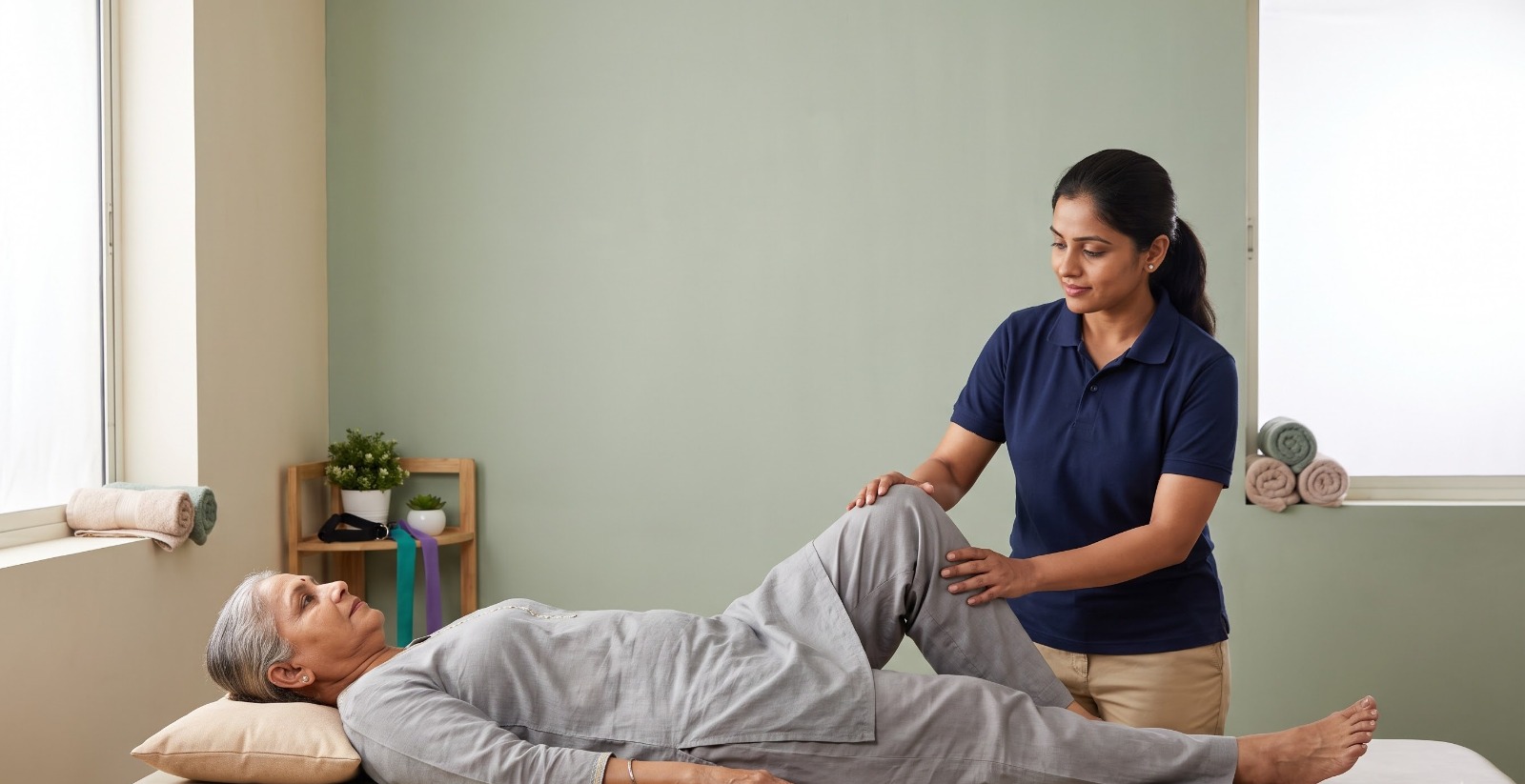
What physiotherapy for older adults covers
Senocare's service page describes geriatric physiotherapy as addressing age-related issues, improving flexibility and balance to help prevent falls, and correcting poor posture. Its page also lists conditions where physiotherapy helps, including arthritis, recovery from surgery, stroke, Parkinson's disease, joint pain and respiratory problems.
In practice that means a physiotherapist looks at how your parent moves, what limits them and what they want to do again, such as climbing stairs, getting out of a chair or walking to the market, and builds a plan around that. Senocare describes its physiotherapists as assessing the patient, diagnosing and developing a personalised treatment plan.
How much activity do older adults need?
The NHS guidance for adults aged 65 and over is:
| Type of activity | Recommendation |
|---|---|
| Daily movement | Some type of physical activity every day. Even light activity such as making tea or vacuuming counts |
| Aerobic activity | At least 150 minutes a week of moderate activity, where you can talk but not sing. Or 75 minutes of vigorous activity if already active, or a mix |
| Strength, balance and flexibility | On at least 2 days a week, in addition to aerobic minutes |
| Sitting | Spend less time sitting or lying down and break up long inactive periods |
The NHS adds that regular activity lowers the risk of heart disease and stroke, and that balance and strength exercises help people feel steadier and more confident, especially if they have fallen or worry about falling.
How to start safely
The NHS advises speaking to a doctor first if your parent has not exercised in a while or has medical conditions or concerns, and keeping the activity and intensity suited to their fitness. It suggests starting with light activities that can be done every day, then building toward moderate activity.
As general suggestions, not from the source: choose activities your parent enjoys, start with short sessions, and practise at the same time each day so it becomes routine. A physiotherapist can then add specific strength and balance work.
Why balance and strength matter
The NHS lists common causes of falls in older people, including weakening muscles, conditions such as arthritis, stroke or Parkinson's disease, low blood pressure, side effects of some medicines, eyesight or hearing problems and dementia. Strength and balance work targets the first of these directly. A separate guide on fall prevention exercises for seniors goes through specific exercises.
When to involve a physiotherapist
- After a fall: the NHS says to see a doctor after a fall or if you are worried about balance or mobility. A doctor may refer to a specialist falls service that checks for muscle weakness, weak bones and eyesight problems, reviews medicines and checks home safety.
- After surgery or a fracture: exercises need to be paced to healing. See our guides on physiotherapy after a fracture and after knee replacement.
- When daily tasks get harder: if stairs, rising from a chair or walking are becoming difficult, ask for an assessment before a fall happens.
- When a long term condition is involved: arthritis, stroke or Parkinson's disease usually need an individual plan.
Physiotherapy at home for older adults
For many families, home visits remove the biggest barrier: getting a parent to a clinic. Senocare offers physiotherapy at home in Delhi, Gurgaon, Noida and Faridabad. Whichever service you choose, share your parent's medical history, medicines and any recent falls with the physiotherapist at the first visit.
This article is general education and not a substitute for advice from a doctor or physiotherapist.
Book a Physiotherapist at Home →Frequently Asked Questions
The NHS says older adults should do some physical activity every day, and advises speaking to a doctor first if they have not exercised in a while or have medical conditions. Intensity should suit their fitness.
The NHS says even light activity such as making a cup of tea or vacuuming counts toward being active, although it is not a substitute for the strength and balance sessions.
The NHS says balance and strength exercises help people feel steadier and more confident on their feet, which is especially useful for people who have fallen or worry about falling.